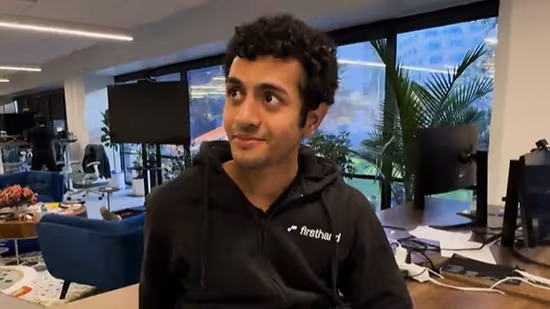
Who Is Soham Parekh? The Techie Behind the Viral Scam Allegations.?
Soham Parekh, a software engineer from India, is now a viral sensation following accusations of executing one of the most sophisticated job scams in the technology sector. Claiming to work several remote jobs at the same time at high–profile US startups, Parekh is now facing backlash for misleading employers and taking advantage of loopholes in the remote culture. It is claimed that he was able to earn more than $800,000 per year while working up to five full-time jobs simultaneously.
After graduating from a well-known engineering college in India, Parekh started his career as a talented coder. Then he transferred to remote positions with U.S.-based firms, getting the opportunity to work on projects and responsibilities with various startups. But little was known behind the scenes, which stunned the technology world—the same individual was holding several jobs, reportedly taking on fake work and occasionally impersonating different identities.
5 Jobs, 1 Person: How He Pulled Off a Remote Work Scam Worth $800K
Remote work has opened doors for global talent, but Soham Parekh may have exploited it to the extreme. Reports indicate that he juggled several jobs across startups simultaneously. Using multiple laptops, cloned environments, and staggered meeting schedules, he successfully convinced each employer he was fully committed to their company.
Only after months of suspicious activity and missed deadlines did red flags begin to arise. One of the businesses, Mixpanel, began to sense discrepancies and ultimately discovered the reality with the assistance of whistleblowers and internal audits. This led to Suhail Doshi, Mixpanel co-founder, revealing the problem on X (previously Twitter), which instigated widespread online outrage.
Parekh is said to have been able to trick hiring managers by performing well in interviews based on AI-coded responses, phony resumes, and canned answers. He even had multiple Slack and email accounts, answering each firm separately. The ease with which he played these parts left many aghast—but not necessarily because they were impressed.
Fake CV, Fake Work? Mixpanel Co-Founder Exposes a Web of Lies.
Suhail Doshi, ex-CEO of Mixpanel, openly accused Soham Parekh of workplace fraud on social media. In his viral thread, he exposed how Soham created false references and IDs to secure employment. Doshi even went as far as suggesting that perhaps this was one among a series of larger trends, where several technology professionals are covertly over-employed, earning six-figure wages from several startups but working half-time.
The news soon spread like wildfire, with a number of Reddit users and ex-colleagues coming forward with additional accusations. Some of them alleged that they had collaborated with Parekh and thought his response style was suspicious and often at odds with his alleged level of expertise.
This has raised a question in many minds: was Soham working individually, or is this some part of an organized fraud ring taking advantage of remote work opportunities.
Overemployed or Mastermind Fraudster? The Internet Reacts.
Social media went wild over this scandal. Memes began flooding in as some praised him as the “CEO of Multitasking,” while others demanded strict legal consequences. Reddit‘s “Overemployed” community debated the thin line between hustle culture and deception.
Whereas for some Soham represents the extent to which broken hiring processes have weakened, others think this case taints trust in remote hiring and could promote more surveillance on workers. In any case, his name is currently trending globally on LinkedIn, Reddit, Twitter (X), and news sites.
Startups Can Learn: Red Flags and Lessons from Soham Parekh‘s Case
The Soham Parekh case has raised alarm bells in the entire tech industry. For startups, particularly those who are recruiting remote talent worldwide, it is a wake-up call.
The following are a few lessons:
Increased Background Checks: Cross-verify resumes, references, and previous work at all times using third-party verification services.
Digital Monitoring Tools: Implement project management tools to monitor deliverables in real-time and have regular engagement.
Behavioral Interviewing: In addition to technical interviews, screen for commitment and genuineness in behavioral rounds.
Internal Audits: Periodic performance audits can detect discrepancies early.
Remote work here to stay, trust built-in must be earned and protected. The Soham Parekh scandal reminds us: smart hiring means smart scrutiny.